
Shaping the Future of Payments Through Innovation
Stay informed with the latest updates, expert insights, and industry trends with Euronet Software Group’s Voices & Views. You’ll hear more about our cutting-edge fintech solutions, as well as find practical strategies for modernizing and optimizing your transaction systems.
SIMO Case Study
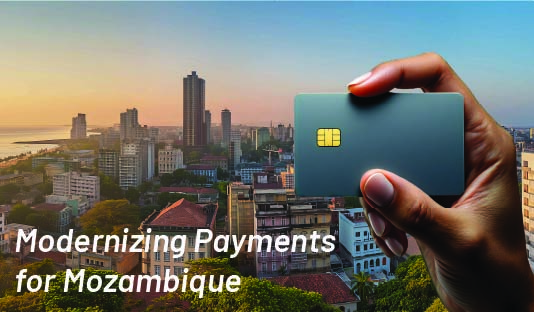
As digital payments accelerated across Mozambique, Sociedade Interbancária de Moçambique (SIMO) faced growing pressure to modernize the infrastructure powering the country’s financial ecosystem.Nearly every major financial institution in the country relied on SIMO to process transactions, manage card operations, and support settlement across the national banking network. But as transaction volumes increased and new digital channels emerged, legacy systems began limiting SIMO’s ability to scale and support the future ambitions of both member banks and consumers.The challenge extended beyond simple technology replacement. SIMO needed to modernize a critical piece of national financial infrastructure without disrupting existing banking operations or requiring institutions to abandon established tools and integrations. At the same time, Mozambique’s growing focus on financial inclusion and digital banking demanded a platform capable of supporting new services such as mobile wallets, EMV card processing, QR payments, and expanded interoperability across banks, merchants, ATMs, and mobile operators.For SIMO, the modernization effort represented an opportunity not only to replace aging infrastructure, but to establish a scalable foundation for the country’s evolving digital economy.
Westpac Case Study
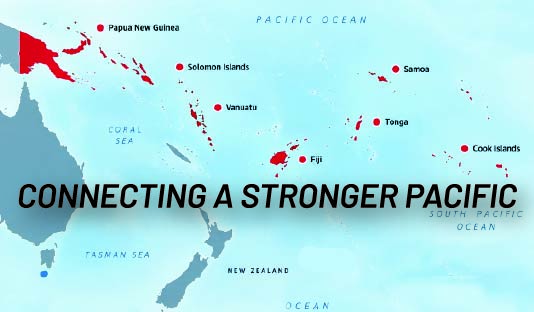
Serving customers across the Pacific region presents unique operational and technological challenges for financial institutions. Geographic dispersion across island nations, inconsistent infrastructure, and varying levels of economic development have historically made it difficult to deliver modern banking services consistently across the region.As customer expectations shifted toward digital-first banking experiences, Westpac Banking Corporation faced growing pressure to modernize key components of its payments and banking infrastructure while continuing to support reliable services across diverse and often remote markets.The challenge extended beyond simply upgrading technology. Westpac needed to support multiple payment channels, evolving compliance requirements, and growing demand for mobile and digital banking services while maintaining operational resiliency across multiple Pacific countries. The bank also recognized the importance of expanding financial accessibility and supporting broader economic development initiatives throughout the region.For Westpac, modernization represented an opportunity not only to improve operational efficiency, but to help create a stronger and more connected digital banking ecosystem across the Pacific.